Packshot photography: a quick guide for 2026
What a packshot is, where it's used, and how to shoot one - camera settings, lighting, angles, tricky packaging, and the image specs marketplaces ask for.
Practical articles about product photography, ecommerce operations, visual consistency, and the workflows behind scalable content production.
What a packshot is, where it's used, and how to shoot one - camera settings, lighting, angles, tricky packaging, and the image specs marketplaces ask for.


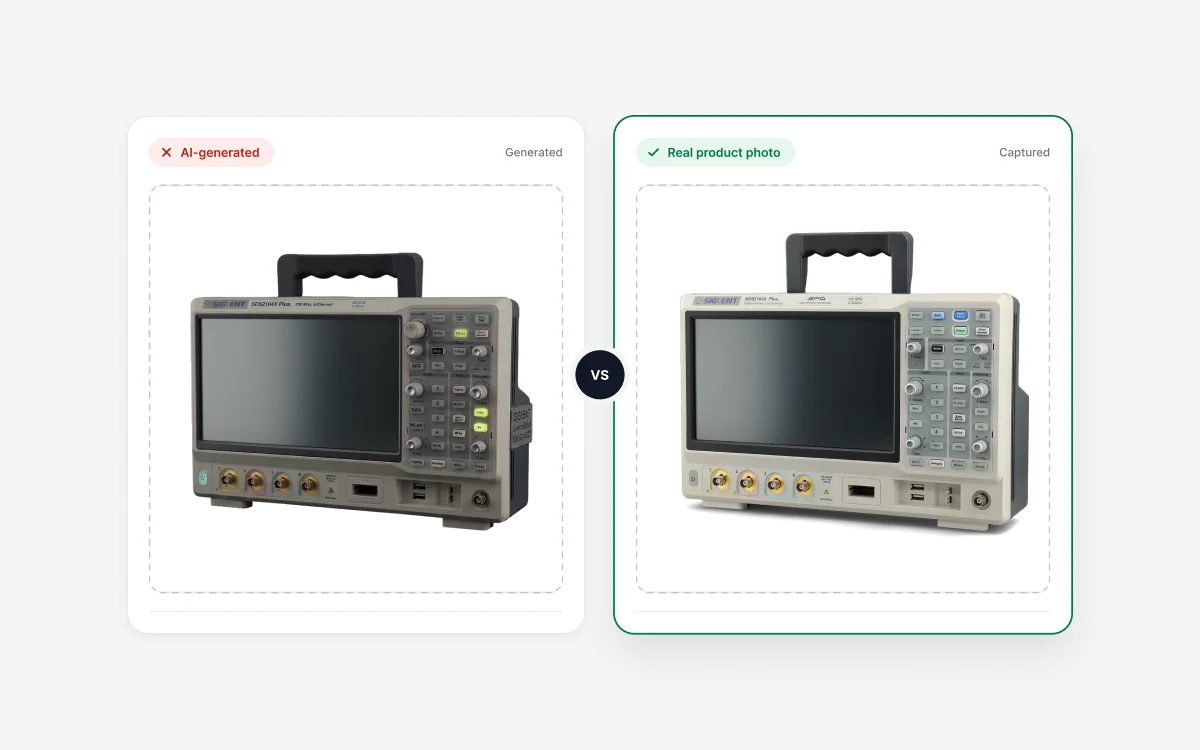
AI-generated product images are fast and cheap, but they can drift from the real product. Here is where generated images lose product truth, what makes AI in product photography trustworthy, and how Orbitvu uses AI around the real product, never instead of it.

Learn how to photograph models step by step: planning, posing, lighting, equipment, and post-production, for lookbook and e-commerce shoots.

What tethering software actually does, how wired and wireless compare in 2026, the five categories of tools on the market, and how to choose one for a high-volume product photography studio.

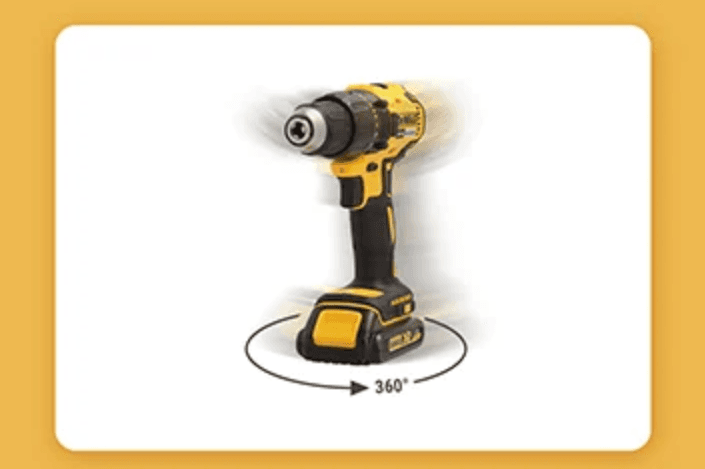
A complete guide to 360 degree product photography. Get info and tips on 360 spin product photography, 360 product photography equipment, and software.

Discover the current fashion photography trends 2026 for ecommerce fashion photography - from AI-powered studios and bold colors to 360-degree views that boost engagement, conversions, and sales.

Since August 2, 2026, the EU AI Act requires a disclosure label on AI-generated and AI-changed images that could pass as real. Here is what counts, what is exempt, and what a product photography team should do about it.

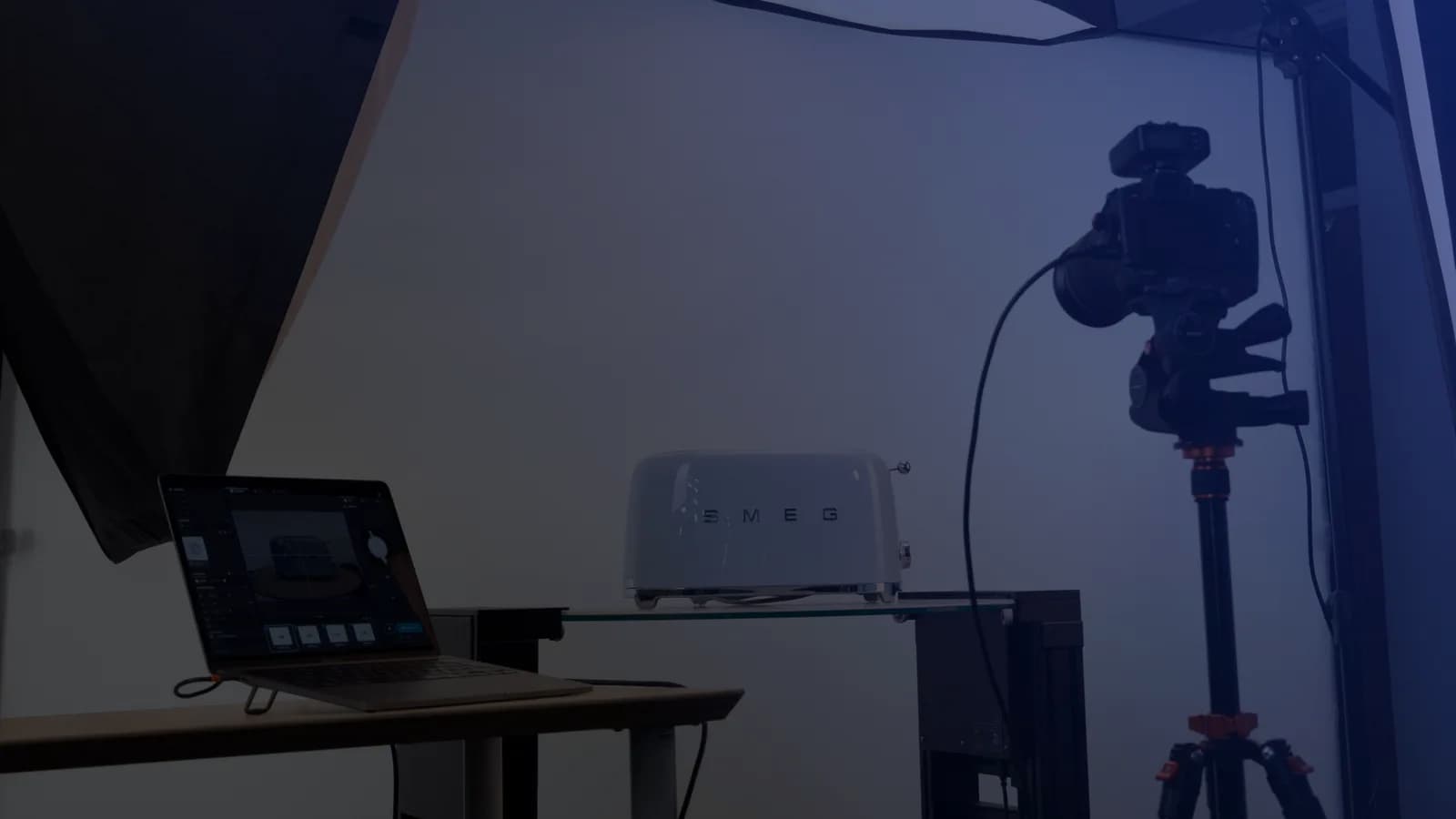
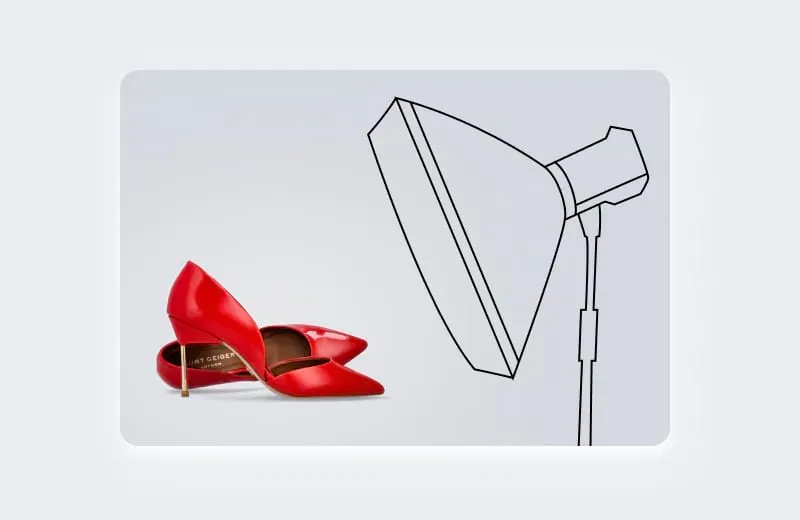
The equipment, light types, and positions behind a working product photography lighting setup - plus how to build one step by step, whether you shoot with a single lamp or automate a full e-commerce catalog.

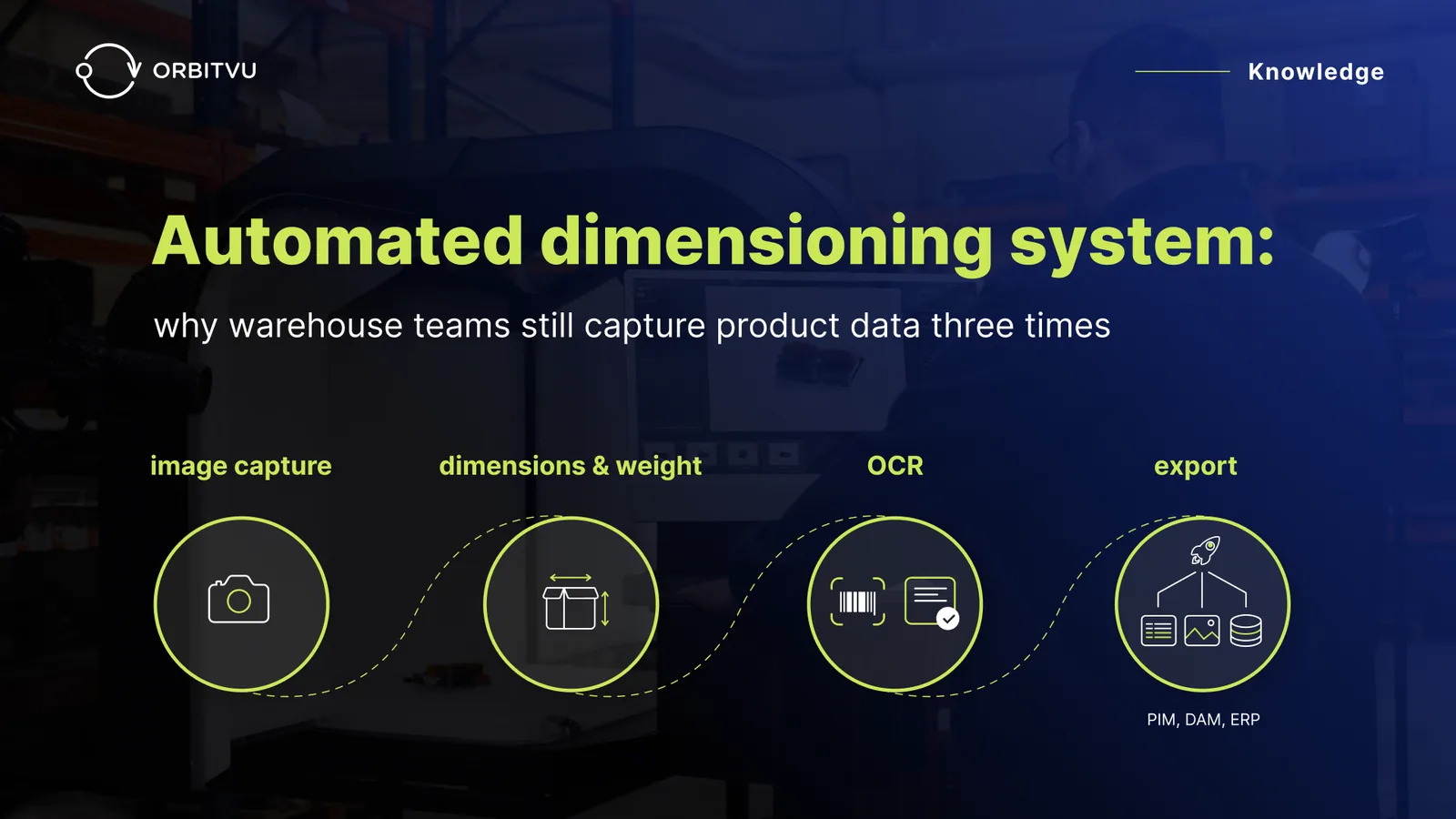
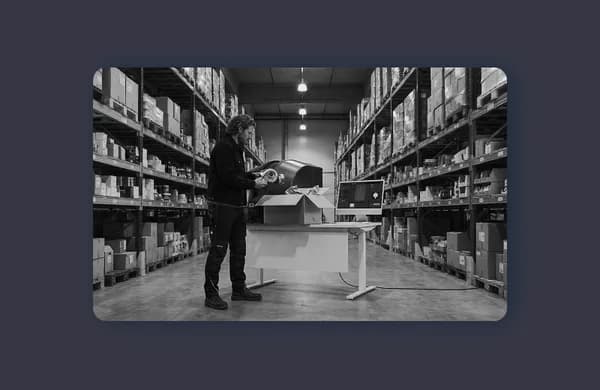
An automated dimensioning system captures length, width, height, and weight in one pass. Here is why warehouse teams still capture product data three times, and what one-pass capture changes.

End-to-end product photography automation connects capture, processing, structuring, and publishing into one system. Here is what each of the four stages actually looks like.

Jewelry photography is one of the hardest categories in product photography - small objects, reflective surfaces, and shallow depth of field. These 10 practical tips cover product prep, lighting, camera settings, and post-production to take your images from amateur to pro.

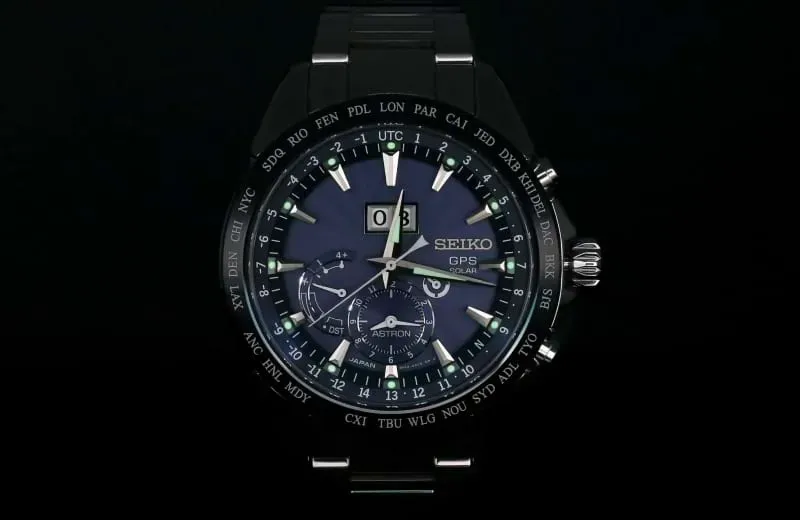
Black background product photography sharpens focus, deepens contrast, and reveals texture - ideal for jewelry, cosmetics, and premium goods. A practical guide to materials, lighting, camera settings, editing, and shooting at production pace.

Industry 4.0 made data the backbone of manufacturing. Automated photography extends that logic to visual documentation - consistent, traceable, AI-ready image records that support quality control, compliance, and e-commerce from a single capture session.

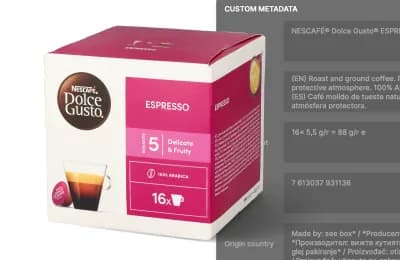
Meet Orbitvu's AI OCR: extract labels, part numbers, and product data straight from your images and turn it into structured metadata inside Orbitvu Station.

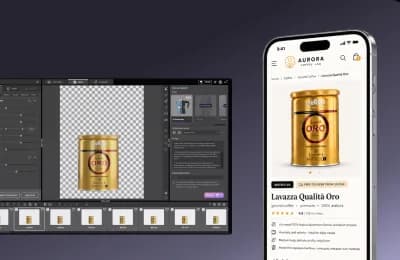
Meet Orbitvu's AI Masking: automatically remove the background from product photos in high resolution, right inside your Orbitvu Station workflow - no design skills needed.