June 10, 2021
Packshot photography: a quick guide for 2026
What a packshot is, where it's used, and how to shoot one - camera settings, lighting, angles, tricky packaging, and the image specs marketplaces ask for.

Learn how to photograph antiques professionally - from manual techniques and the right gear to automated product photography solutions that save time and deliver consistent results.
Table of contents
Your photography doesn't just support your business. It is your business. When buyers can't touch, examine, or appreciate an antique in person, your images become their entire experience. They replace your showroom floor, your sales associate, and your authentication certificate. For antique sellers, this creates extra pressure. You're not just selling products. You're selling history, craftsmanship, and stories that span decades or centuries.
Antique photography isn't like photographing new products from a factory. You can photograph a modern chair using standard techniques with predictable results. But that 1920s Art Deco mirror with its silvered glass and geometric inlays requires a different approach. So does that Victorian sterling tea service that reflects everything in the room.
This guide covers what you need to know about how to photograph antiques. You'll discover the essential camera equipment and accessories that produce professional results. And you'll understand how modern automated product photography solves problems that once required years of trial and error.
Antique photography is the specialized practice of capturing quality images of vintage items, antiques, and historical objects for all kinds of purposes. This includes:
The goal isn't artistic expression, though beautiful photos help. The goal is an accurate, compelling visual representation that drives purchasing decisions and builds buyer confidence in your shop.
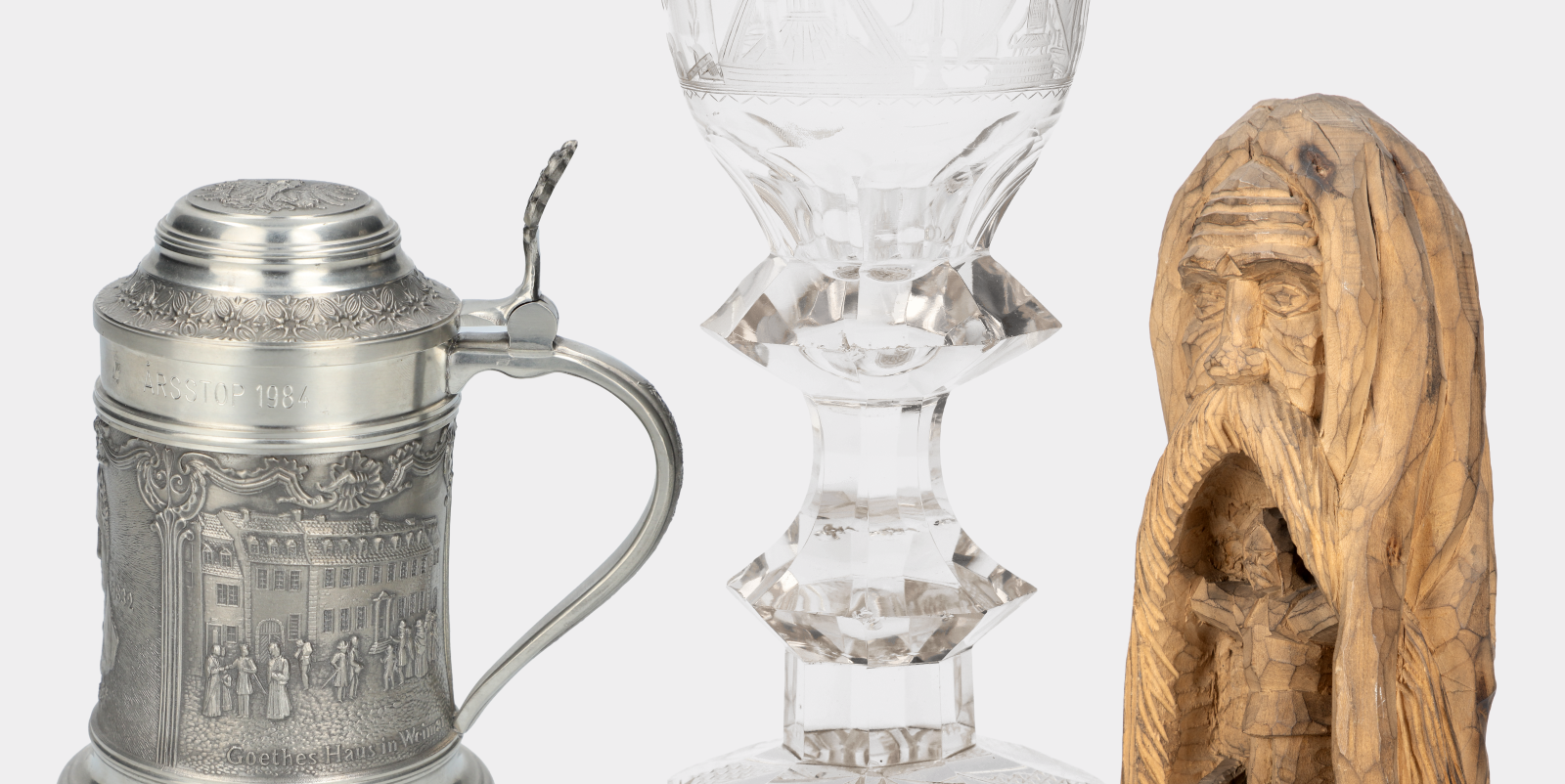
If you've photographed modern products before, you might assume the same techniques apply to antiques. They usually don't. Antiques present challenges that don't exist with new merchandise. Let’s go through these differences together.
New products arrive clean, uniform, and predictable. Vintage items arrive with decades or centuries of history written into their surfaces. That Georgian silver teapot has developed a patina, a natural tarnish that collectors value as proof of age and authenticity.
Customers examining your picture should be able to verify period-appropriate construction, identify the maker if possible, and assess condition accurately. The authenticity factor is a must-have condition.
Modern products tend toward material consistency. You photograph an IKEA shelf the same way every time. That eighteenth-century secretary desk might combine mahogany, brass hardware, and glass doors. Each material requires different lighting considerations. To show true colors, you must understand the surface and texture of each piece.
With new items, you highlight perfection. With antiques, you document reality. That reality often includes wear, damage, repairs, and imperfections. Slower shutter speeds in the past often led to heavy grain, light leaks, and motion blur, but today, your workflow must include dedicated close-up condition shots to build trust. Using close-up shots of details can add depth and context to the story being told through the photograph.
Each piece is unique. Every item needs individual photography. This uniqueness also means you can't rely on stock photos.
Understanding what makes antique photography different is one thing. Actually solving the problems when you point a camera at a century-old subject is where theory meets frustration. Take a look at these 5 challenges of photographing antique products.
Polished silver and glazed porcelain create reflections of your camera settings, the ceiling, and the walls. Every light source creates a bright spot, and every dark object creates a shadow on the surface.
If you photograph patina poorly with harsh lighting, it looks like dirt. To the human eye, the item loses its value if you don't capture it correctly. Specialized care is also required for the photos themselves to prevent fading, including storage in acid-free materials away from direct sunlight.
As opposed to a simple modern piece of furniture, an antique secretary desk has five different materials. The wood needs to highlight the grain, while metal must show its texture without glare. This may pose some problems for inexperienced creators.
Buyers want to see the whole shape and the tiny details simultaneously. This often requires a macro lens and a steady focus to get a good photo. Mastering aperture, ISO, and shutter speed are key settings for capturing antiques effectively.
Online buyers face a fundamental problem: screens distort size perception. In antique photography, a balanced composition is important to avoid one side feeling heavier than the other, and negative space is necessary to allow the human eye to rest.
Before automation transformed the market, photographers solved these challenges through skill and patience. Let’s see what you need to make that happen.
Focus on resolution rather than brand name. A full-frame DSLR or mirrorless camera provides more control over settings compared to a smartphone. Don’t forget to remove dust and fingerprints before the shot.
Your choice of lenses has a big impact on image quality. Choose a zoom lens and additionally a macro lens for detail shots.
A tripod isn't optional. It provides stability, ensures consistent framing, and allows for more light in the shot through longer exposures.
Natural light is one of the best lighting sources for photography. Using natural light from a large window is great for achieving the best results in antique photography, particularly for flat lay setups. However, avoid direct sunlight as it creates harsh shadows.
As for the artificial lighting, LED continuous light is a great choice for antique photography. So if you’re shooting in a windowless room, use LED panels with adjustable colour temperature. They allow you to see the lighting effect immediately.
Using a white foam board and a clean, non-distracting background helps the antique to stand out in photos. Not to mention, a white background is sometimes a must for e-commerce platforms.
Now, traditional photography is great, but it does take up a lot of resources. That’s why, if you need to photograph antiques on a larger scale - for museum digitization or an e-commerce vintage shop - automation should be your go-to choice. It gives you:
The Museum in Tarnowskie Góry faced the monumental task of digitizing over 11,000 unique artifacts. Before implementing the Alphashot XL, the museum struggled with inconsistent results from external photographers and the logistical risks of moving priceless items. By bringing Orbitvu’s automation in-house, they eliminated these challenges, using integrated lighting and motorized zoom to capture the complex textures and reflective surfaces of antiques.
The transition turned a process that once took hours of manual labor into a workflow of just a few minutes. Using the XL’s overhead camera for flat documents and its 360-degree turntable for 3D objects, the museum now produces a high-quality digital catalog that ensures both preservation and global accessibility. For any antique business, this case study proves that automation saves time and provides the consistency and authenticity required to document history at scale.
How the Museum in Tarnowskie Góry Revolutionized Artifact Digitization with Orbitvu
At Orbitvu, we provide a versatile range of automated solutions tailored for diverse industries and businesses of all sizes. By seamlessly integrating high-end hardware with intelligent software, our systems deliver professional-grade results that would traditionally take years of manual expertise to master. Let’s explore the key features that make Orbitvu the ideal choice for capturing the unique character of antiques.
Professional automated studios feature built-in LED lights. Software control means adjustments happen in a second. This allows you to highlight specific areas while managing the extural contrast that collectors love.
Orbitvu systems include anti-reflective accessories and diffusers that help you control reflections. These tools make background removal easier and more accurate. For bottle-like objects, specialized supports ensure stability during rotation.
You control aperture, shutter speed, and focus point through the system interface. As a result, the process is streamlined.
Orbitvu cameras feature motorized zoom, which allows you to capture shots from multiple angles without manual adjustment. A built-in laser helps you center objects precisely. This makes it easier to create perfect 360-degree views and achieve consistency within the collection.
The built-in laser provides greater consistency, while light diffusers prevent unwanted glare.
Professional systems achieve rotation accuracy within 0.05 degrees. This creates smooth spins for everything from tiny jewelry to heavy vintage iron sheets.
Orbitvu's XL systems with 5 cameras can create true 3D views of your antiques. This gives buyers an immersive experience that goes beyond standard 360-degree rotation.
The SuperFocus feature lets you capture clear images without needing to use focus stacking in a separate program. This saves time and ensures every detail stays sharp across the entire object.
Automation eliminates the need for manual editing in post-processing. The software isolates the object against a perfect white background while preserving natural shadows.
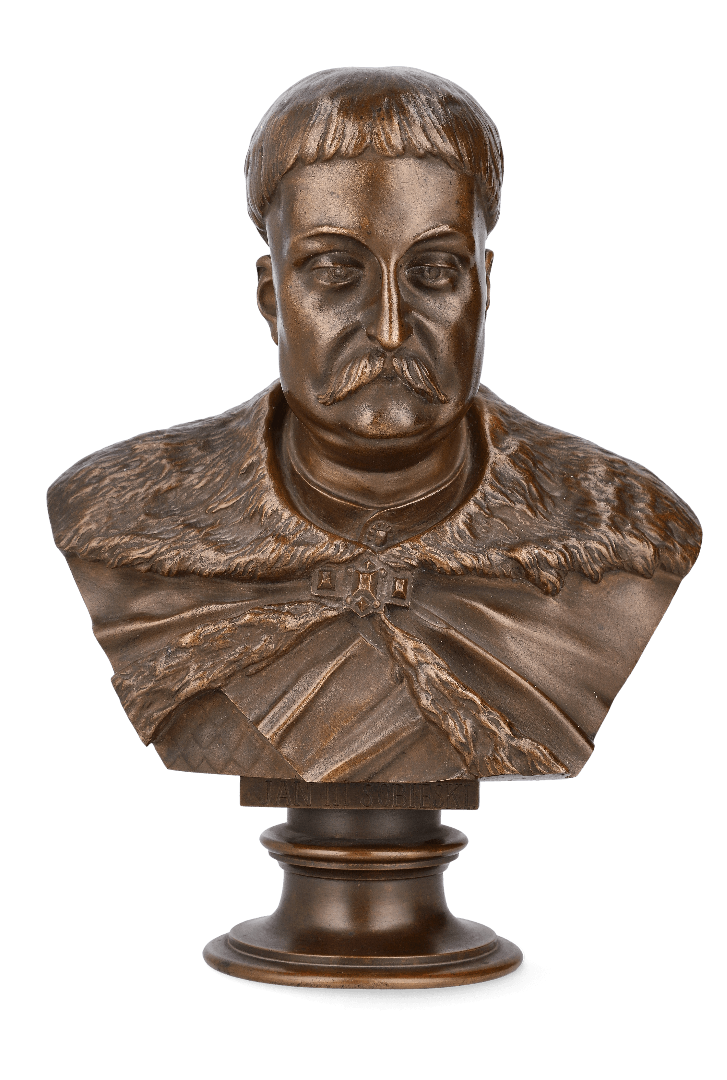
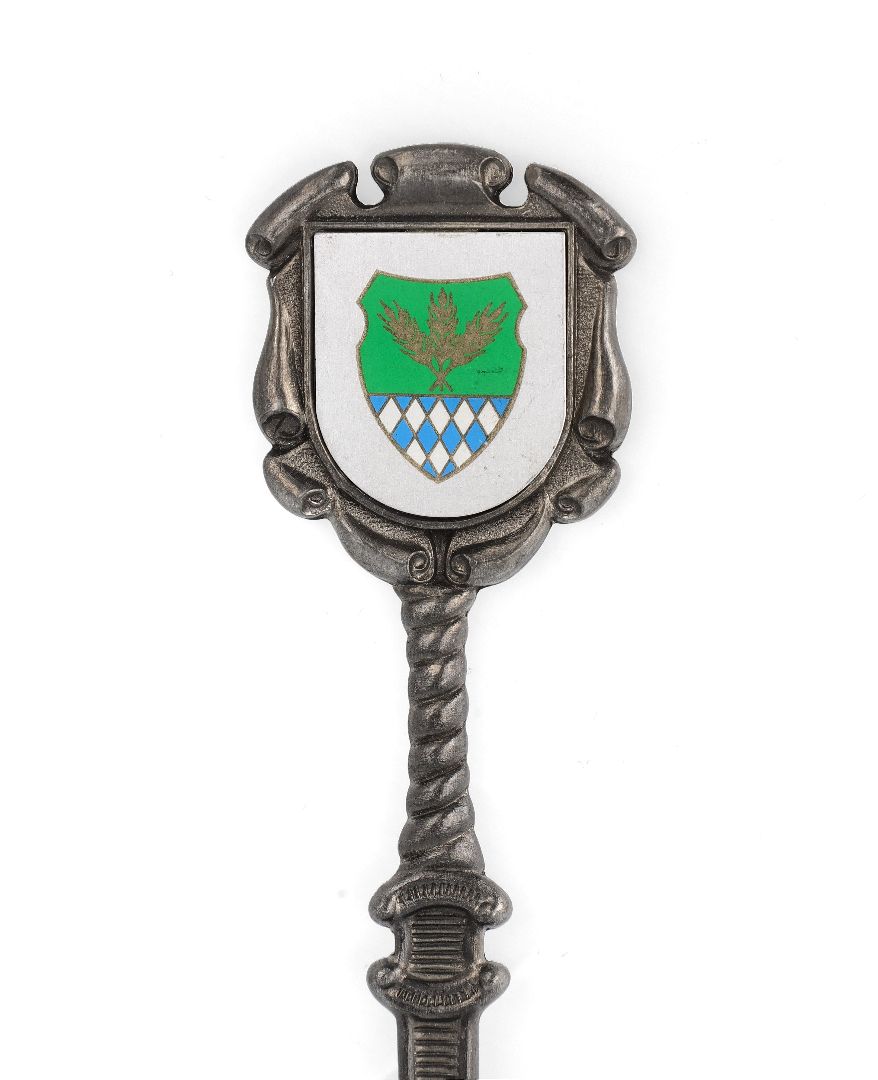
Additional software features include:
Ready to transform your antique photography? Orbitvu's automated product photography solutions are specifically designed to handle the unique challenges of antiques. From managing reflective surfaces to capturing intricate details, we help your business grow.
Book a free demo or request a call with our sales team to choose the best solution for your case.
Your antiques have waited decades to find their next owners. Give them the photography they deserve.
At minimum, you need a full-frame DSLR or mirrorless camera, a macro lens for detail shots, a sturdy tripod, and good lighting (either natural light from a large window or LED panels). Add white foam boards for light control, and you're set. However, if you're photographing at scale, automated solutions like Orbitvu's systems eliminate the learning curve and deliver professional results immediately with built-in lighting, motorized cameras, and precision turntables.
Reflective surfaces are tricky. Manually, you create a "tent" of white foam boards around the object to control what it reflects. Use diffused lighting and position lights at angles rather than directly in front. With automated solutions, Orbitvu systems include anti-reflective accessories and diffusers that handle this challenge automatically, making background removal easier and ensuring consistent results every time.
Natural light from a large window is ideal for most antiques, especially for flat lay setups. Just avoid direct sunlight as it creates harsh shadows. If you're in a windowless space, LED panels with adjustable color temperature work great. Orbitvu's automated studios feature built-in LED arrays with software control, allowing you to adjust lighting in seconds and save perfect settings as templates for different antique types.
Manual photography typically takes 30-60 minutes per item, including setup, shooting, and post-processing. With automated solutions like Orbitvu, the process drops to a few minutes per item. The Museum in Tarnowskie Góry digitized over 11,000 artifacts using Orbitvu's Alphashot XL, transforming what once took hours into a workflow of just a few minutes per piece.
Yes, but it's extremely difficult manually. You'd need to rotate the object in precise increments while maintaining perfect lighting and framing consistency across dozens of shots. Orbitvu's precision turntables achieve rotation accuracy within 0.05 degrees and include a built-in laser to center objects perfectly. The software handles everything automatically, creating smooth 360-degree spins and even true 3D views with the XL system's 5 cameras.
For e-commerce, you typically need high-resolution images (at least 2000 pixels on the longest side) in JPG format. For archival or professional print purposes, TIFF format at 300 DPI is standard. Orbitvu systems allow you to export in multiple formats, including TIFF at 300 DPI, with additional features like auto polisher and magic brush for removing small imperfections without manual editing.
Consistency is the biggest challenge with manual photography - lighting changes, photographers have different styles, and settings vary between sessions. Automated product photography solutions solve this with template systems. Orbitvu software stores optimal settings for each antique type as templates. Load your "silver" template, and every silver piece gets identical professional treatment. The AI Assistant in Alphashot Pro G2 even suggests the most attractive lighting options automatically.
Use the form to tell us what you are planning and what kind of product content workflow you need.
June 10, 2021
What a packshot is, where it's used, and how to shoot one - camera settings, lighting, angles, tricky packaging, and the image specs marketplaces ask for.
October 8, 2026
AI-generated product images are fast and cheap, but they can drift from the real product. Here is where generated images lose product truth, what makes AI in product photography trustworthy, and how Orbitvu uses AI around the real product, never instead of it.
May 24, 2021
Learn how to photograph models step by step: planning, posing, lighting, equipment, and post-production, for lookbook and e-commerce shoots.